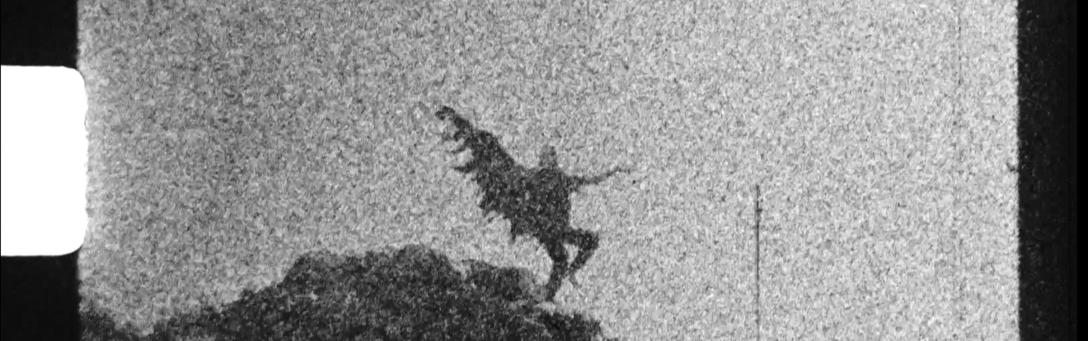
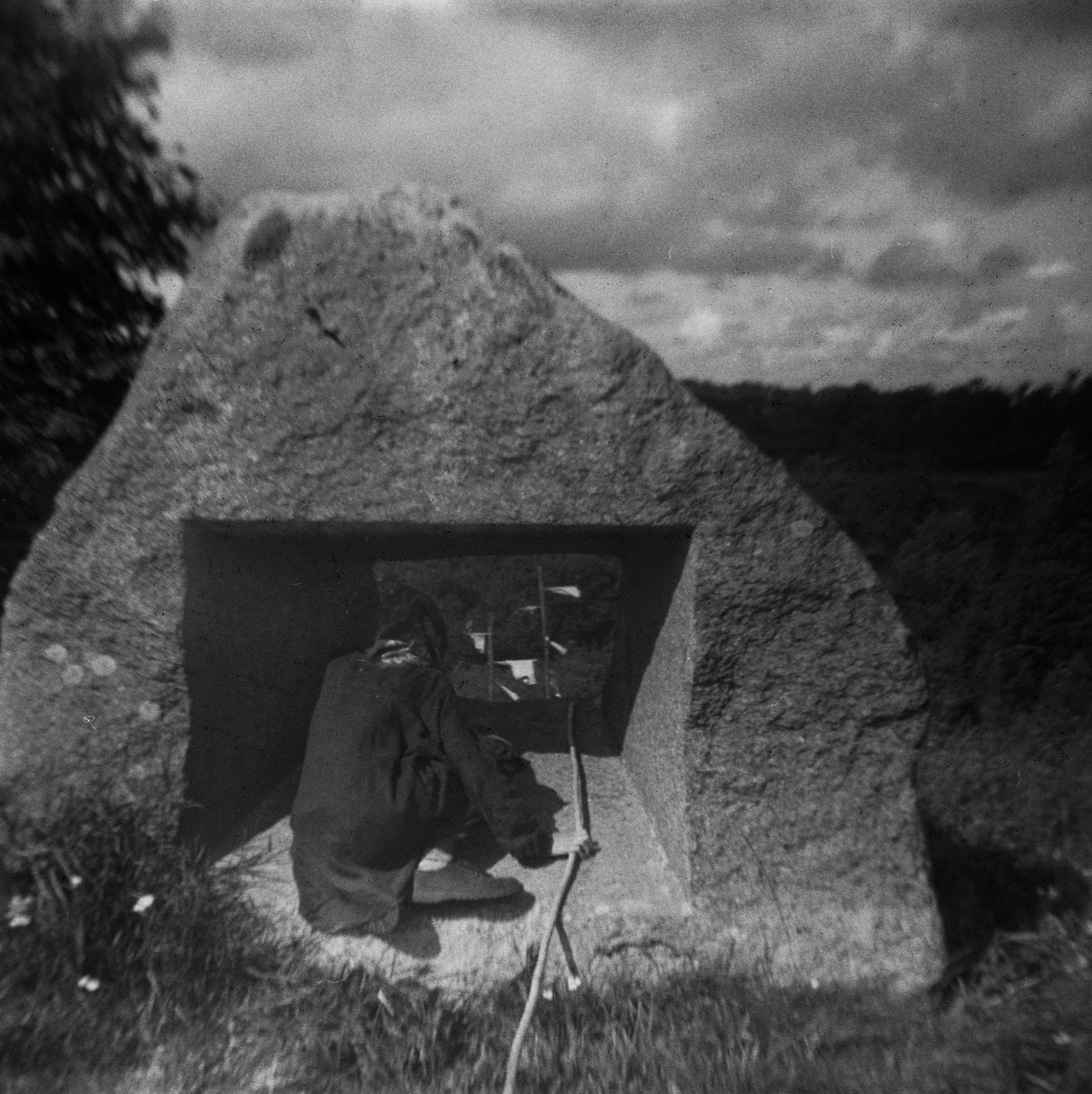
A Ladder on the Edge of Living emerged from a period of reckoning with what I have come to understand as an inherited exile—a form of displacement carried not only through borders and language, but through the body itself. This exile is not always visible or narratable; it exists as a quiet undertow shaping perception, attention, and the way one listens to the world. Growing up between cultures, histories, and political ruptures, I learned to inhabit uncertainty as a mode of being, where belonging is provisional and memory arrives fragmented, dreamlike, and often without origin. Rather than addressing exile as a fixed identity, the work approaches it as a condition of heightened sensitivity—an attunement to fragility, impermanence, and the porous threshold between inner and outer worlds. During this time, my encounter with Pedvale Art Park and conversations with Ojārs Feldbergs offered a rare counterpoint: a place where art, poetry, and land cohere into a grounded, collective identity, rooted in lived history and directly sustaining Latvian cultural continuity. In this tension, the ladder becomes a figure for suspension—a fragile structure held between ascent and collapse, between survival and reverie, between the desire to root oneself and the knowledge that ground is never stable.
On Inherited Exile
Exile is no longer the punishment of banishment alone, but the condition of living amid the ruins of memory. It becomes a centre without geography, a lineage without map. In postsocialist worlds, where ruins and neoliberal wreckage overlap, exile is less an event than a medium—transmitted, rehearsed, refigured through image, word, and body.
The act of seeing is itself an exile: to look is to inhabit a moment that will vanish, to experience is to encounter the irretrievable, and every image we hold slips immediately beyond the gap. We elevate sight above all other senses, clinging to what appears verified and real, yet true perception requires learning to release the tyranny of the eyes and the certainties they impose.
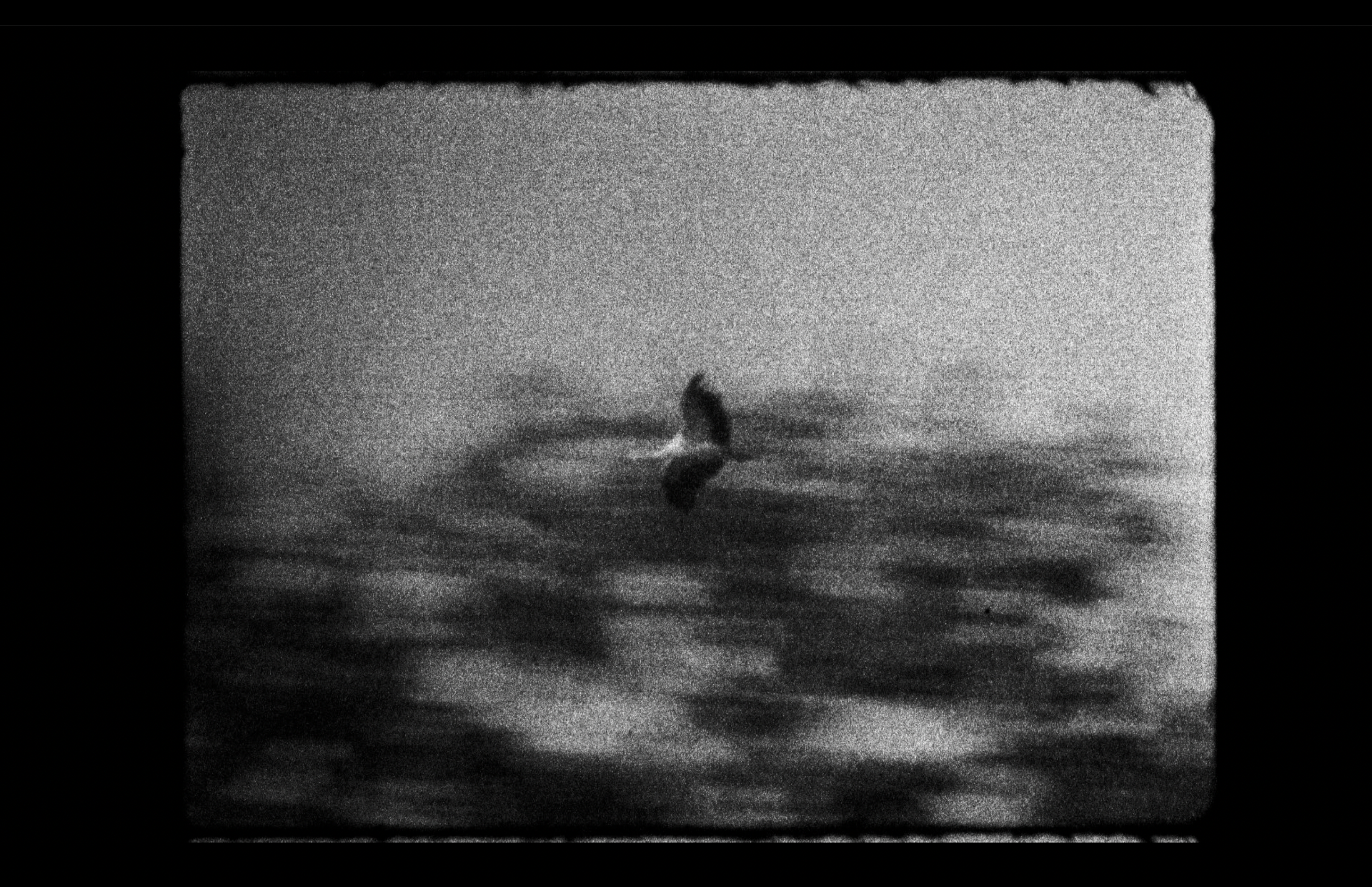
The myth of Icarus hovers here, but stripped of moralizing lesson. It is not simply hubris punished, but a figure of fragile ascent: a body suspended between two shores, one rock, two waves, then the great oceanic drift. Exile today is less a singular plunge than a slow, continuous descent—a body falling in grace, not yet drowned, not yet home. The inheritance is not only pain but a strange capacity for navigation. Perhaps we learn to read the currents differently, to sense the tremors of memory not as weight but as wind.
Walter Benjamin reminds us that “the past flashes up at a moment of danger.” In the condition of hereditary exile, this flash is constant: danger is not an event but a landscape. Odessa, bombed again, childhood fractures resurface in the present tense of war. Here, the body at sea remains a possibility, capable of holding centre and fracture simultaneously.
Butoh offers a method of embodiment for this condition. In Butoh the body trembles, collapses, becomes corpse and seed at once. To dance exile is not to represent displacement, but to enter it somatically, to feel history’s fracture inside the muscles, the breath. Film, especially analogue film, becomes its twin medium: fragile, flickering, prone to decay, yet luminous in its instability. Both operate as transmissions, allowing us to receive the dead and send gestures toward an unknown future.
Language falters in inherited exile. We move into zaum, the beyond-sense that Velimir Khlebnikov called the “language of the stars.” Syllables refuse separation: смеёшьплачешь, смеёшьсяплачешь—laughcry, crylaugh. Words split open like night-blooming flowers, refusing to settle into narrative, enacting loss while conducting rhythm.
Encounters with places like Pedvale Art Park, and with artists such as Ojārs Feldbergs, offer a rare counterpoint: a grounded identity, where art and poetry directly sustain a living cultural heritage. In dialogue with such rootedness, the precariousness of inherited exile is both a challenge and a possibility—an invitation to row, to fall, to dream, and to build vessels that carry us through histories both personal and collective.
To inherit exile is to inherit both flight and fall. We are the Icarus who falls yet remains afloat, the angel who sees only wreckage but drifts into tomorrow, the child who rows a small boat with hands not yet steady. If there is to be a centre, it will not be a city or a nation, but the fragile vessel we build together on the water.



 artemgolden.com